

Meet Neuroinversa
Neuroinversa is a neuroscience technology company exploring how subtle patterns in human movement can offer a new perspective on the nervous system and how people experience the world.

Built on more than 20 years of research, Neuroinversa develops accessible technologies that capture and visualize subtle patterns in human movement. Our work brings research methods once limited to specialized laboratory environments to familiar devices such as smartphones and tablets.
Latently, our first application, uses a brief facial video to analyze patterns in facial micro-movements and eye movements. It transforms those patterns into visual information that researchers and participants can review across individual sessions and over time.
Latently is currently available as a restricted-access research application. It is designed to support research, structured observation, and informed discussion—not to diagnose, treat, monitor, prevent, or cure any medical condition.

Meet the Founders
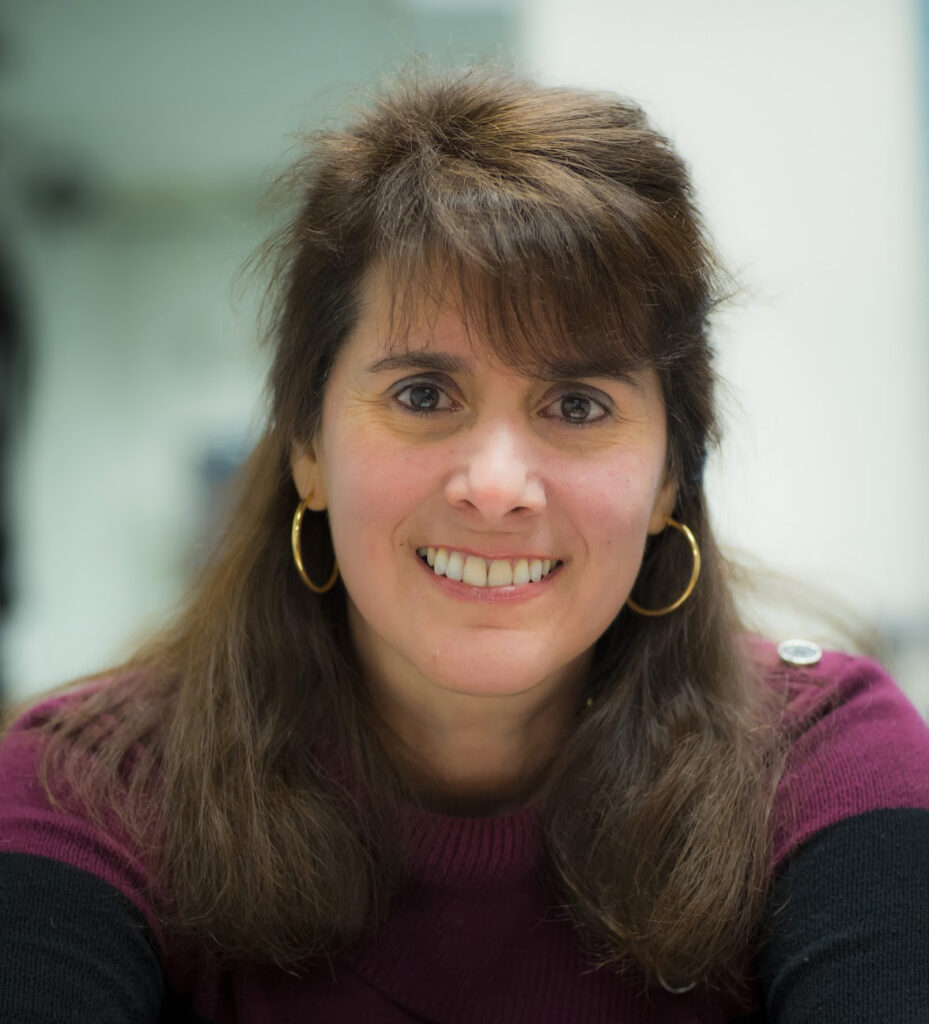
Dr. Elizabeth Torres
Dr. Elizabeth Torres is a computational neuroscientist at Rutgers University with more than 20 years of experience studying autism, sensory-motor development, and human movement.
She leads the Sensory Motor Integration Lab and served as director of the New Jersey Autism Center of Excellence from 2018 to 2023. Her research develops new analytical methods for examining relationships among movement, sensation, and cognition—from molecular processes to observable behavior.
Dr. Torres is an inventor and innovator whose work is helping translate advances in neuroscience into accessible research technologies.
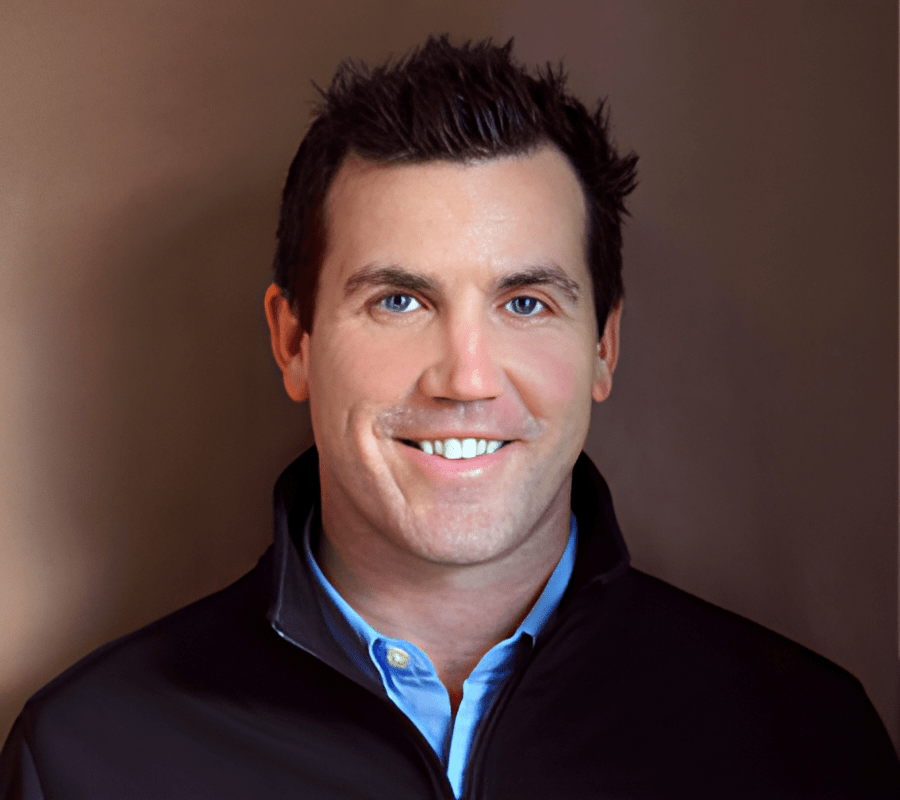
Christopher Dudick
Christopher Dudick is an Emmy Award-winning producer, educator, and entrepreneur with more than two decades of experience building organizations at the intersection of technology, education, and human development.
His passion for education and animation led him to create Small Factory Productions and SILAS, a social-emotional learning platform for students and educators. SILAS was acquired in 2023.
Chris and Dr. Torres founded Neuroinversa to translate decades of neuroscience research into scalable, accessible technology for researchers, families, educators, and professionals.
Science-Led. Human-Focused.
Built on Breakthrough Neuroscience
Neuroinversa is built on decades of research examining how subtle sensory-motor patterns relate to nervous-system activity. Our technology makes these patterns visible and easier to explore outside a traditional laboratory setting.
Designed for Real-World Use
Developed through interdisciplinary work in neuroscience, computer science, and behavioral science, our technology is designed to make structured data collection practical and scalable across everyday environments.
Where Science Meets Educational Innovation
Neuroinversa translates complex movement data into clear visualizations that researchers, participants, families, educators, and professionals can explore and discuss.
Created to Support Families and Care Teams
By combining rigorous research with thoughtful design, Neuroinversa offers a new way to observe subtle patterns that may be difficult to recognize through everyday observation alone.

Advanced Neuroscience. Simple Check-Ins. Clear Visualizations.
Latently translates more than two decades of patented research by Dr. Elizabeth Torres and Rutgers University into an accessible research application for smartphones and tablets.
A brief video check-in captures subtle facial and eye movements. Latently processes the movement data and presents patterns through easy-to-understand visualizations that can be reviewed within a session or compared across multiple sessions.
The process:
1. Complete a brief facial video check-in.
2. Latently analyzes patterns in facial micro-movements and eye movements.
3. Review visualizations from the completed session.
4. Explore how observed patterns vary across sessions and over time.
Evaluated through ongoing research.
Designed with privacy and security in mind.
Grounded in patented analytical methods and more than 20 years of neuroscience research.

Subscribe to our newsletter
Receive research updates, product news, and accessible explanations of the science behind our work.